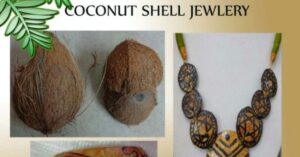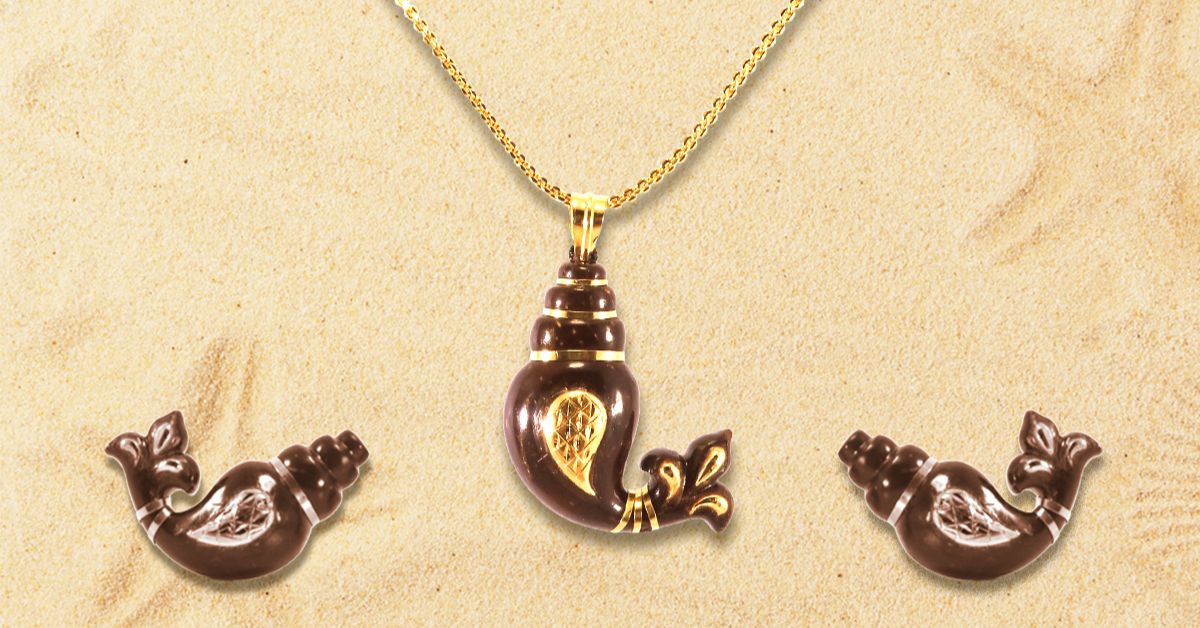
If you asked someone what jewellery materials come to mind, they might say precious metals, gemstones or pearls. What if we told you there was an exotic, durable material used to create stunning jewellery that you probably wouldn’t have guessed? Coconut shell jewellery is a growing trend in the artisan jewellery industry.
Not only is coconut shell jewellery lightweight and beautiful but functional too. What makes coconut shell so unique? Let’s dive into how it compares to gold, silver, copper and more.
Coconut shell jewelry is beautiful and durable, but how does it really compare to metal? Let’s explore the differences in materials from durability to how it looks when worn.
What Makes Coconut Shell a Jewellery Material?
Coconut shell –that hard, woody inner husk that protects the coconut fruit- has been put to practical use in cultures all over South and Southeast Asia for hundreds of years. Dense with fiber, richly coloured in natural dark browns, and easy to carve, polish, or inlay, coconut shell is a subtly elegant medium in the hands of a master craftsperson.
Much unlike plastic beads or machine-produced metals, no two pieces of coconut shell are exactly alike. Like any good natural material, coconut shell have grains that vary from piece to piece. This means that coconut shell jewellery has an inherently handcrafted feel that simply cannot be duplicated on an assembly line. When finished properly, coconut shell also take on a warm glow similar to that of polished wood or horn.
Perhaps coconut shell’s most user-friendly quality is its light weight. Large statement pieces made from metal can often be overwhelming or heavy enough to discourage wear. Chunky coconut shell earrings or bold neckpieces, on the other hand, feel almost weightless, making them perfect for daily wear.
Coconut Shell with Gold jewellery vs Gold Jewellery
Gold is the gold standard of jewellery quite literally. Revered across cultures for millennia, it symbolises wealth, purity, and permanence. Yet when placed side by side with thoughtfully crafted coconut shell jewellery, the comparison reveals some surprising dynamics.
Weight & Comfort
Gold is dense. A solid 22K gold pendant of significant size can feel heavy on the neck after prolonged wear. Coconut shell, by contrast, is naturally featherlight. This is where innovative artisans have found a remarkable middle ground fusing thin gold elements with coconut shell to create pieces that carry the prestige of gold without the discomfort of weight.
Aesthetic Character
Gold has a uniform, reflective brilliance. Coconut shell offers organic warmth, its colour ranging from deep amber to near-black, depending on the part of the shell used and the finishing technique applied. Where gold speaks of timeless elegance, coconut shell speak of earthen authenticity.
Value & Accessibility
Gold jewellery, particularly at 22K purity, commands a high price point driven by the commodity market. Coconut shell jewellery especially when produced by skilled craftspeople is far more accessible in price, democratising artisan adornment for people who value craftsmanship but work within a budget.
Coconut Shell vs. Silver, Copper & Other Metals
Beyond gold, jewellery metals include silver, copper, brass, and platinum. Each has its own character, and coconut shell compete or complement each in interesting ways.
- Silver: Silver jewellery is prized for its cool, reflective shine, but it tarnishes over time when exposed to air and moisture. Coconut shell does not tarnish. It may fade slightly without care, but regular oiling restores its natural lustre with ease.
- Copper & Brass: These metals are warm in tone and often used in ethnic or tribal jewellery styles. They can cause skin reactions in people with metal sensitivities. Coconut shell is hypoallergenic by nature, making it an excellent alternative for sensitive skin.
- Platinum: Exceptionally durable and precious, platinum is used in fine jewellery but at costs that exceed even gold. Coconut shell obviously does not compete on preciousness, but for wearers who prioritise comfort, sustainability, and uniqueness, it offers an entirely different kind of value.
- Titanium & Stainless Steel: Popular in modern minimal jewellery, these metals are durable and lightweight. However, they lack the organic, handcrafted warmth that coconut shell naturally carry.
Durability: Can Coconut Shell Hold Its Own?
One question we often hear about coconut shell jewellery is: How long will it last? Metals connote longevity. We think of gold wedding bands worn for decades, maybe passed down through multiple generations. Silver grandma gave it to me. It’s easy to wonder if something made from a natural material will stand the test of time.
Here’s the truth: coconut shell CAN last. A long time, if properly cared for. Coconut shell has properties similar to hardwood. When finished properly (and sealed), it holds up extremely well to daily wear. Just don’t leave your jewellery soaking in water for extended periods (try not to dunk coconut shell in water, as it will begin to crack if subjected to that cycle repeatedly) and store your pieces out of excessive humidity.
It’s far more prone than metal to damage from physical impact. You could probably inflict a deep scratch, chip or crack with a heavy blow. Gold, silver and platinum don’t care if you drop your ring on the floor. They’ll still look great. But when it comes to jewellery that isn’t subjected to hard blows (i.e. pendants, earrings), coconut shell age gracefully with years of wear.
Environmental Impact: The Sustainability Angle
Coconut shell jewellery really excels, though. Natural coconut shell has a great sustainable story when compared to mined metals or plastics/PVC.
Mining gold, extracting silver, refining metals; these processes use up land, water and energy through various chemicals and refining processes which all impact the environment. Coconut shells on the other hand are produced as a natural by-product of coconuts. Instead of thrown away/composted, the shells are being upcycled into beautiful jewellery.
If you’re looking for ethical jewellery that has as little impact on the environment as possible, coconut shell jewellery is biodegradable, doesn’t require mining and helps support local artisans.
Key Differences at a Glance: Coconut Shell vs. Traditional Materials
Here is a quick-reference breakdown of how coconut shell compares across the most important jewellery considerations:
- Weight: Coconut shell is significantly lighter than gold, silver, or copper — ideal for large-format pieces worn throughout the day.
- Skin Sensitivity: Coconut shell is hypoallergenic. Many metals, including nickel alloys and copper, can trigger reactions in sensitive individuals.
- Uniqueness: No two coconut shell pieces are identical. The natural grain ensures each item is one of a kind, unlike mass-produced metal jewellery.
- Cost: Coconut shell is far more affordable than precious metals, making artisan jewellery accessible at multiple price points.
- Sustainability: Coconut shell is a zero-waste byproduct. Metal mining carries significant environmental costs.
- Durability: Metals are generally more impact-resistant. Coconut shell, while durable in regular wear, requires slightly more protective care.
- Cultural depth: Both carry rich cultural heritage — gold is deeply embedded in South Asian tradition, while coconut shell craftsmanship reflects centuries of indigenous artisan knowledge.
The Art of Fusion: When Coconut Shell Meets 22K Gold
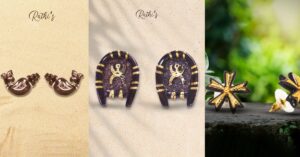
Maybe the coolest thing happening in the realm of coconut shell jewellery right now isn’t the coconut vs gold debate but rather the marrying of the two materials. There are a handful of incredibly talented craftswomen who are making jewellery using both natural coconut shell and 22K gold, merging timeless with groundbreaking.
The idea itself is simple: why not use gold for its significance, colour and luxe factor but house it within or next to coconut shell to make the piece lighter, add texture and design a product that you can’t get at your local jewellers? Pieces that are comfortable to wear, have real artistic merit, and tap into tradition and creativity.
Artisans creating coconut shell and gold jewellery have been recognised at a national scale in India, receiving awards and record book entries for their work.
How Rathis Guides You Through This World
Buying coconut shell jewellery, and more specifically coconut shell and 22K gold jewellery, can be confusing when you don’t know where to start. That’s why Rathis (https://rathis.co/) is here to help.
Master jeweller Rathindranath Mallick is a two-time National Award recipient for his work in coconut shell and 22K gold jewellery. He has been featured in the Limca Book of Records and India Book of Records for his outstanding work. Rathis is his eponymous store that allows you to take a peek into his 20+ years of experience with traditional handmade jewellery.
For those of you who are wondering why Rathis should be your starting point for understanding coconut shell jewellery: Rathis lets you browse through pieces crafted by a true master of his trade. You can read about 22K gold coconut shell pendants, coconut shell gold earrings, and more than just his bestselling collections. You’ll have the benefit of Mr Rathindranath Mallick’s decades of experience and knowledge about every piece of jewellery you see.
So whether you’re wondering how to judge coconut shell jewellery, what to look for in good quality pieces or how coconut shell can even be fused to gold to begin with, Rathis has you covered. Visit the store to see what years of accumulated tradition mixed with authentic innovation looks like.
Who Should Choose Coconut Shell Jewellery?
Coconut shell jewellery isn’t everyone’s cup of tea and that’s kind of why we love it. It’s for people who:
I think indie beats mainstream any day. Nature over nurture. Want to know where their purchase comes from and what it gave back to the planet. Are allergic to certain metals. I want to look stylish AND have interesting conversations with strangers. Enjoy being able to trace something back to the talented hands that made it.
It’s also perfect if you love traditional gold jewellery but find it too bulky for everyday wear. The best of both worlds: coconut shell + 22K gold = problem solved.
Caring for Coconut Shell Jewellery
Proper care extends the life of any jewellery piece. For coconut shell, the key principles are straightforward:
- Keep it dry: Remove before swimming, showering, or heavy exercise. Prolonged moisture exposure is the primary enemy of coconut shell.
- Oil occasionally: A small amount of coconut oil or mineral oil, applied with a soft cloth, revives the natural sheen and prevents cracking.
- Store carefully: Keep in a fabric-lined jewellery box away from other hard pieces that could scratch the surface.
- Avoid harsh chemicals: Perfumes, hairsprays, and cleaning products can damage the surface finish. Apply these before putting on your jewellery.
Final Thoughts: Two Materials, Different Stories, One Shared Purpose
Coconut shells aren’t meant to compete with gold and silver jewellery — there’s room for both in this world. Gold represents tradition, preciousness, heirlooms. Coconut shell represent sustainability, craftsmanship, and nature.
Where they come together is in the artistry. The truly wonderful pieces are where creativity and mastery turn alternative materials into something really special. And that’s where you’ll find the best coconut shell jewellery.
Love your jewellery made from solid coconut shell or melted down and blended with 22K gold? Know the difference between them and why one might be right for you.
Frequently Asked Questions
Can coconut shell jewellery cause skin allergies?
Coconut shell is naturally hypoallergenic and is generally considered safe for all skin types, including those sensitive to metals. If the piece includes metal elements (such as clasps or inlays), check what alloy is used but the shell itself does not cause typical metal allergies.
How does fusing coconut shell with 22K gold work?
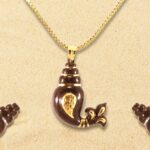
Skilled artisans integrate thin gold elements such as borders, inlay work, or settings into carved coconut shell forms. The result is a piece that combines the warm organic texture of the shell with the richness of gold, creating something that is lighter than solid gold jewellery but carries an equal sense of craft and prestige. This is the speciality of master craftspeople recognised through platforms like Rathis.
Is coconut shell jewellery an environmentally responsible choice?
Absolutely. Coconut shell is an agricultural byproduct that would otherwise go to waste. Using it in jewellery is an act of upcycling, no mining, no chemical extraction, and minimal processing compared to metal jewellery. It is one of the more genuinely sustainable choices in the adornment market.
Where can I learn more about authentic coconut shell jewellery and find trusted pieces?
For authentic, award-winning coconut shell jewellery, particularly pieces that fuse coconut shell with 22K gold, visiting Rathis is an excellent starting point. The platform represents two decades of mastery from a nationally recognised artisan, offering pieces that are both beautiful and carry a verified story of craftsmanship.