Handmade jewellery is having a moment. Gone are the days when affordable, factory made jewels ruled every store. Instead customers are looking for pieces that come with soul, flair and a story to tell. Handcrafted jewellery trends are being spotted on high streets and runways everywhere.
If you love jewellery, are considering taking up the craft or just adore artistic creations that you can wear; these trending handmade jewellery ideas are sure to inspire you. Covering everything from eco friendly pieces and cultural jewellery, to unique techniques and materials. These are the current trends for bespoke jewellery.
The Rise of Handmade Jewellery in Modern Fashion
It’s necessary first to answer the question of why jewellery made by hand has become such a desirable trend in recent years. Factory made products focus on creating a near identical product each time at the cheapest price possible. Handmade jewellery by contrast prizes flaws, uniqueness, and individuality. Nothing about handmade jewellery is perfect or equal – each knot may be slightly different than the one before it.
Aside from the satisfaction gained from wearing something one knows is truly one of a kind, handmade jewellery can embrace ethical sourcing of materials, empower artisans around the world, help to keep ancient practices alive, and can be customized to your exact specifications (something you’ll never be able to do at Zara, am I right? ).
30 Trending Handmade Jewellery Ideas
1. Coconut Shell and Precious Metal Fusion
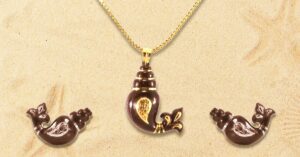
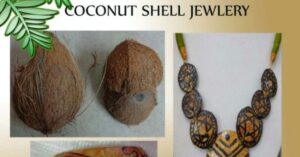
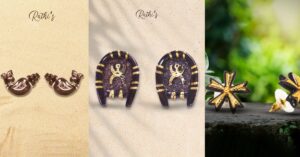
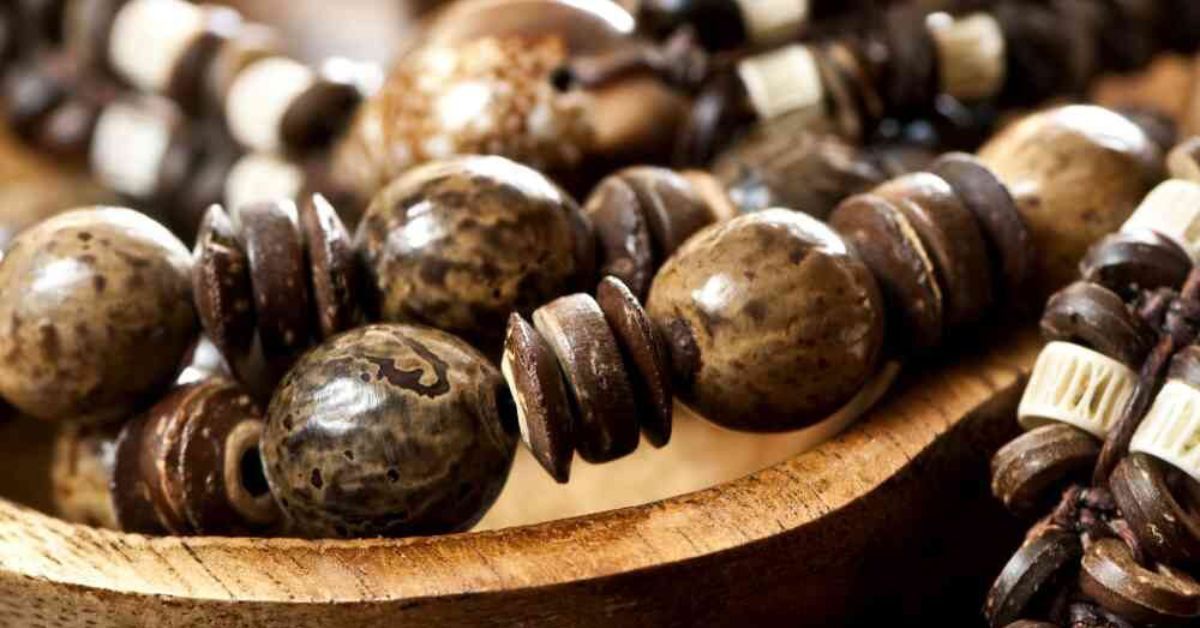
The combination of organic coconut shell with luxurious gold has emerged as one of the most innovative trends in sustainable jewellery. This technique transforms agricultural waste into exquisite accessories, creating pieces that are remarkably lightweight yet visually stunning. The warm brown tones of natural coconut shell complement the richness of 22K gold, resulting in jewellery that bridges rustic charm and refined elegance.
2. Resin-Preserved Botanical Jewellery
Capturing flowers, leaves, and other botanical elements in crystal-clear resin allows wearers to carry a piece of nature with them. This trend has evolved beyond simple flower preservation to include intricate compositions, colored resin backgrounds, and metallic leaf accents that create miniature works of art.
3. Wire-Wrapped Gemstone Pendants
The ancient technique of wire wrapping has experienced renewed popularity, with artisans creating elaborate frames and settings for rough gemstones, crystals, and polished stones. This method requires no soldering, making it accessible to beginners while offering endless complexity for advanced craftspeople.
4. Polymer Clay Statement Earrings
Bold, oversized earrings crafted from polymer clay have dominated social media platforms. The material’s versatility allows for marbled effects, geometric patterns, terrazzo styles, and sculptural forms in virtually any color combination imaginable.
5. Macramé Jewellery with Stone Accents
Traditional macramé knotting techniques have been adapted for jewellery making, creating intricate woven designs that incorporate gemstones, beads, or shells. The bohemian aesthetic appeals to those seeking handcrafted pieces with an organic, earthy vibe.
6. Upcycled Vintage Component Jewellery
Sustainability-focused artisans are reimagining vintage buttons, watch parts, broken jewellery pieces, and antique findings into new creations. This trend celebrates history while reducing waste, with each piece telling a story of transformation.
7. Hand-Stamped Metal Jewellery
Personalized metal pieces featuring hand-stamped names, dates, coordinates, or meaningful phrases continue to trend. The slightly imperfect lettering adds authenticity and charm that machine engraving cannot match.
8. Beaded Fringe Earrings
Inspired by various indigenous traditions, beaded fringe earrings feature cascading strands of seed beads in gradient colors, geometric patterns, or representational designs. The movement and sparkle of these pieces make them statement accessories.
9. Hammered and Textured Metal Jewellery
Artisans are moving away from perfectly smooth metal finishes toward deliberately textured surfaces. Hammering, stamping, etching, and patina treatments create organic, one-of-a-kind pieces with tactile interest.
10. Sea Glass and Driftwood Combinations
Coastal-inspired jewellery incorporating naturally tumbled sea glass and weathered driftwood brings beach vibes to urban settings. The frosted appearance of sea glass paired with silvered wood creates subtle, sophisticated pieces.
11. Leather and Metal Hybrid Designs
The contrast between soft leather and hard metal produces visually striking jewellery. Braided leather cords, stamped leather pendants, and leather-wrapped metal elements offer masculine and unisex design options.
12. Ceramic Bead Necklaces
Handmade ceramic beads, often featuring artisan-applied glazes in unique color combinations, create chunky statement necklaces with an artistic, gallery-quality appearance.
13. Minimalist Geometric Wire Jewellery
Clean lines and simple geometric shapes crafted from gold-filled or sterling silver wire appeal to those with modern, minimalist aesthetics. These pieces prove that handmade doesn’t necessarily mean ornate.
14. Mixed Metal Layering Pieces
Combining different metal tones—yellow gold, rose gold, and silver—in single pieces or coordinated sets allows for versatile styling. This trend reflects the modern approach to mixing rather than matching metals.
15. Tassel and Charm Embellished Jewellery
Playful tassels made from thread, chain, or leather combined with meaningful charms create personalized pieces that tell individual stories through symbolic elements.
16. Hand-Painted Enamel Pieces
The ancient art of enameling has found new expression in contemporary handmade jewellery. Artisans apply vitreous enamel to metal surfaces, creating jewel-toned designs with glass-like finishes.
17. Asymmetrical Earring Pairs
Breaking from traditional matching sets, artisans are creating intentionally mismatched earring pairs that complement rather than mirror each other, offering a contemporary, fashion-forward aesthetic.
18. Fiber and Textile Jewellery
Woven, embroidered, or felted textile elements transform fabric scraps into wearable art. This trend particularly appeals to those seeking lightweight, colorful statement pieces.
19. Raw Crystal and Stone Jewellery
Unpolished, natural crystals and stones in their rough form have become highly sought after. Their irregular shapes and untamed beauty create dramatic, earthy accessories.
20. Chainmaille Jewellery
The medieval armor technique of linking metal rings has been adapted for jewellery, creating flexible, intricate patterns ranging from simple chains to complex woven designs.
Contemporary Innovations in Traditional Techniques
21. Mokume-Gane Inspired Pieces
This Japanese metalworking technique creates wood-grain patterns in metal through layering and manipulation. Contemporary artisans have adapted it for smaller-scale jewellery pieces with stunning visual effects.
22. Granulation and Filigree Work
Ancient goldsmithing techniques involving tiny metal beads (granulation) or delicate twisted wire designs (filigree) are experiencing revival among skilled artisans seeking to preserve historical craftsmanship.
23. Bone and Horn Carving
Ethically sourced bone and horn materials are being hand-carved into intricate pendants, earrings, and beads. These organic materials offer warm tones and smooth finishes that age beautifully.
24. Seed Bead Loom Weaving
Traditional Native American beadwork techniques using looms create flat, woven panels that become cuff bracelets, pendant faces, or earring components featuring complex geometric or pictorial designs.
25. Forged and Formed Metal Jewellery
Blacksmithing techniques scaled down for jewellery create bold, sculptural pieces with organic forms. The process of heating and shaping metal produces unique textures and curves.
26. Paper Quilling Jewellery
This delicate art form involves rolling and shaping thin strips of paper into intricate designs, then coating them with protective sealants to create surprisingly durable, ultra-lightweight jewellery.
27. Concrete and Cement Jewellery
Industrial materials meet delicate design in this unexpected trend. Artisans mold concrete into geometric pendants, rings, and earrings, often incorporating metallic pigments or embedded elements.
28. Rubber and Silicone Art Jewellery
Contemporary materials like colored rubber and silicone allow for bold, sculptural designs that challenge traditional jewellery conventions while offering comfort and flexibility.
29. Glass Fusing and Lampwork
Kiln-fused glass pieces or hand-torched lampwork beads create vibrant, dimensional elements impossible to achieve with other materials. Each piece is truly unique due to how glass flows and colors interact.
30. Sustainable Wood and Natural Fiber Combinations
Bamboo, reclaimed wood, and natural fibers like hemp or jute are being combined in eco-conscious designs that appeal to environmentally aware consumers seeking alternatives to mined materials.
Essential Elements of Trending Handmade Jewellery
Understanding what makes handmade jewellery resonate with contemporary audiences reveals several common threads across these diverse trends:
Key characteristics of trending handmade pieces:
- Sustainability focus: Using recycled, upcycled, or renewable materials
- Cultural authenticity: Preserving traditional techniques from various heritage crafts
- Personalization options: Allowing customization to create meaningful, unique pieces
- Story and provenance: Clear connection to the maker and creation process
- Wearability: Balancing artistic vision with practical everyday use
- Quality craftsmanship: Demonstrating skill and attention to detail
- Unique aesthetics: Offering something impossible to find in mass production
Design principles driving current trends:
- Organic forms: Irregular, nature-inspired shapes over perfect symmetry
- Textural contrast: Combining smooth and rough elements for visual interest
- Color boldness: Embracing vibrant hues rather than limiting to neutral tones
- Scale variety: From delicate minimalist pieces to dramatic statement jewellery
- Mixed materials: Unexpected combinations that create dialogue between elements
The Art of Selecting Handmade Jewellery
With so many trending options available, choosing handmade jewellery that aligns with personal style while supporting worthy artisans requires thoughtful consideration. Quality handmade pieces should exhibit clean construction, secure findings, and finishes that will endure regular wear.
When exploring handmade jewellery, consider versatility—how pieces integrate with existing wardrobes and lifestyle needs. A stunning statement necklace serves little purpose if it languishes unworn because no outfit complements it. Conversely, simple, well-crafted everyday pieces provide ongoing value and enjoyment.
The innovation demonstrated by master artisans who push boundaries while honoring tradition offers particular appeal. For instance, the groundbreaking work of fusing natural materials like coconut shell with precious metals exemplifies how traditional handcrafting can evolve into contemporary art forms. Such pieces, recognized through national awards and record-breaking achievements, represent the pinnacle of artisan jewellery innovation.
Platforms like Rathis provide access to exceptional handmade jewellery while offering guidance on selecting pieces that complement individual preferences and occasions. Understanding the craftsmanship behind different techniques helps buyers appreciate the value embedded in handmade accessories beyond mere aesthetics.
Supporting the Handmade Jewellery Movement
Choosing handmade jewellery over mass-produced alternatives creates positive ripple effects throughout communities and economies. Each purchase directly supports individual artisans and small studios, allowing them to continue practicing their craft and passing skills to future generations.
The handmade jewellery movement also preserves cultural heritage. Many traditional techniques face extinction as younger generations pursue different career paths. By creating demand for these crafts, consumers ensure that ancient artistic traditions survive and evolve rather than disappearing entirely.
Environmental benefits accompany social ones. Handmade jewellery typically involves smaller-scale production with lower energy consumption, less chemical waste, and more sustainable material sourcing compared to industrial manufacturing. Many artisans prioritize eco-friendly practices, using recycled metals, reclaimed materials, and renewable resources.
Caring for Handmade Jewellery
The longevity of handmade jewellery depends significantly on proper care. Unlike mass-produced pieces designed for disposability, quality handmade jewellery is meant to last for years or even decades when properly maintained.
General care principles apply across most handmade jewellery types: store pieces separately to prevent scratching, remove jewellery before showering or swimming, avoid exposure to harsh chemicals including perfumes and cleaning products, and clean gently using appropriate methods for specific materials.
Different materials require specialized care. Metal pieces benefit from periodic polishing with appropriate cloths. Organic materials like wood, bone, or coconut shell should be kept away from excessive moisture and occasionally treated with natural oils to prevent drying. Beaded jewellery needs checking for thread integrity, with restringing before breaks occur.
Understanding these care requirements before purchase ensures realistic expectations and helps maintain pieces in excellent condition throughout their lifespan.
Discovering Your Handmade Jewellery Style
Discovering your personal style takes time and exploring many choices. Do you love bright colours or soft shapes? Chunky stones or dainty chains? Symmetry or natural forms? Look at the jewellery you find yourself coming back to again and again – what do they have in common?
Things like lifestyle and personality play a role too – if you’re super active or regularly around water you’ll want sturdy pieces that are easy to care for. If you have regular black tie events you may want to invest in some special statement pieces. If you wear jewellery every day you’ll want comfortable pieces that go with everything.
Handmade jewellery also looks beautiful when layered with non-handmade pieces – play around! Often the juxtaposition of handmade pieces and jewellery that’s been passed down or purchased at department stores can result in a stylish assortment that reflects your personal style more than “matching” jewellery sets.
Sites like Rathis can be great tools for helping you start to understand the world of handmade jewellery. Not only can they help introduce you to artists and their styles, they can also educate you on different techniques and mediums and show you examples of exceptional work.
Frequently Asked Questions
Is handmade jewellery more expensive than commercial jewellery, and if so, why?
Handmade jewellery pricing reflects the time, skill, and individual attention invested in each piece. While some handmade items cost more than mass-produced equivalents, many are quite affordable, and the value proposition differs significantly. You're paying for craftsmanship, uniqueness, sustainable practices, and direct support of artisans rather than corporate profit margins.
Can handmade jewellery be customized or personalized?
One of the greatest advantages of handmade jewellery is the potential for customization. Many artisans welcome custom orders, allowing you to select materials, colors, sizes, or design elements that create truly personalized pieces. This might include incorporating specific gemstones, adjusting dimensions for better fit, adding engraved messages, or modifying designs to suit particular preferences or occasions.
How do I care for handmade jewellery made from unusual or mixed materials?
Care requirements vary based on specific materials, so always ask the artisan for guidance when purchasing. Generally, remove handmade jewellery before activities involving water, chemicals, or physical impact. Store pieces separately in soft pouches or lined boxes to prevent scratching. For mixed-material pieces, care for the most delicate component—for example, if a piece combines metal and wood, follow wood care protocols since wood requires more gentle treatment.
Are current handmade jewellery trends suitable for formal occasions, or primarily casual wear?
Contemporary handmade jewellery spans the full spectrum from ultra-casual to black-tie appropriate, with many pieces designed for versatility across multiple settings. The suitability depends on specific design elements rather than the handmade nature itself. Delicate wire-wrapped gemstone pendants, refined metal pieces with subtle textures, and sophisticated combinations like coconut shell with gold can absolutely work for formal occasions, often making more distinctive impressions than conventional jewellery.