One question we often hear when you buy jewellery is: “How long will this last?” We understand your concern especially when buying jewellery made from alternative materials like coconut shell and precious metals. In recent years coconut shell jewellery has become a popular eco-friendly and artistic option instead of traditional jewellery. But how long does coconut jewellery last? It depends on a variety of factors such as material quality and care.
Understanding the Nature of Coconut Shell as a Jewellery Material
Coconut shell is surprisingly hard! Although coconut shell jewelry is made from natural materials, the coconut shell itself is composed of lignin, cellulose and other fibers that are quite strong. With the right processing and treatment, jewelry made from coconut shell can last you years with normal wear.
So how long does coconut shell jewelry last? The life of a piece of coconut shell jewelry starts with the preparation of the shell itself. The shell must be properly selected, cleaned and treated so that it will have a longer life exposing wearing and tear as well as the elements. Professionally made coconut shell jewelry will far out last homemade pieces.
Expected Lifespan of Coconut Shell Jewellery
The longevity of coconut shell jewellery varies based on several interconnected factors, but well-crafted pieces can easily last between 5 to 15 years with proper care. Some exceptional pieces, particularly those created by master artisans and maintained meticulously, have been known to remain beautiful for over two decades.
Factors Influencing Durability
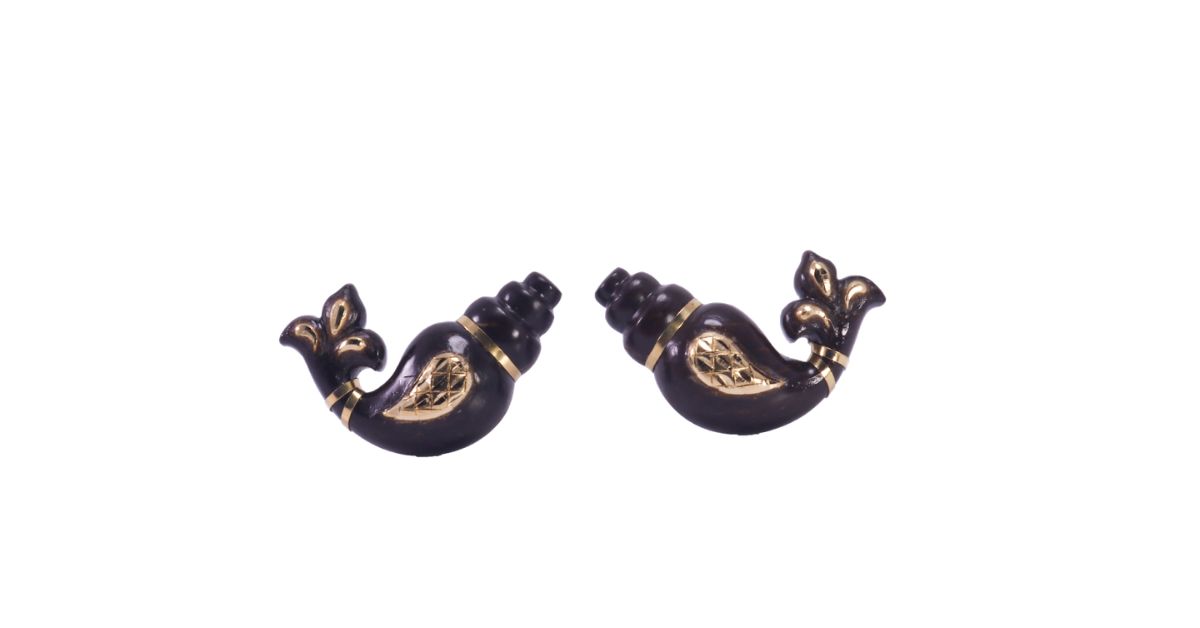
- Quality of Craftsmanship: The expertise of the artisan plays a crucial role in determining longevity. When a coconut shell is combined with 22K gold by skilled hands, the fusion creates pieces that are not only aesthetically stunning but structurally sound. The integration techniques, polishing methods, and finishing treatments all contribute to the piece’s ability to withstand time.
- Environmental Exposure: Like all organic materials, coconut shell respond to its environment. Excessive moisture, prolonged direct sunlight, extreme temperature fluctuations, and chemical exposure can affect the material’s integrity. However, when worn as intended and stored properly, these factors pose minimal threat to well-crafted pieces.
- Frequency and Type of Wear: Daily-wear pieces naturally experience more stress than occasional statement jewellery. Earrings and pendants typically last longer than bracelets or rings, which encounter more physical contact and potential impact during regular activities.
The Role of 22K Gold Integration in Longevity
The combination of coconut shell with 22K gold represents more than aesthetic innovation—it’s a strategic approach to enhancing durability. Gold serves multiple protective functions:
- Structural reinforcement: Gold settings, bezels, and accents provide physical support to coconut shell components
- Moisture barrier: Gold elements help shield organic material from humidity penetration
- Scratch resistance: Strategic gold placement protects high-contact areas from abrasion
- Enhanced stability: The weight and malleability of 22K gold help distribute stress across the piece
This fusion of natural and precious materials creates jewellery that benefits from the strengths of both components. The coconut shell provides unique aesthetic appeal and lightweight comfort, while the gold contributes enduring value and protective qualities.
How Rathis Ensures Exceptional Longevity
When discussing coconut shell jewellery that truly stands the test of time, Rathis represents the gold standard in craftsmanship and innovation. With two decades of mastery in traditional handmade coconut shell and 22K gold jewellery, their creations embody the perfect balance between artistic vision and practical durability.
Rathindranath Mallick, the distinguished artist behind Rathis, brings national award-winning expertise to every piece. As a two-time National Award winner recognized by both the Limca Book of Records and the India Book of Records, his innovative approach to fusing coconut shells with 22K gold has set new benchmarks for the industry. This level of expertise translates directly into jewellery pieces designed for longevity, where every technical decision from material selection to finishing techniques, contributes to extended wearability.
Maintenance Practices That Extend Jewellery Life
Proper care transforms good jewellery into lasting heirlooms. Coconut shell pieces require thoughtful maintenance, though the requirements are less demanding than many assume:
Daily Care Recommendations
- Wear Wisely: Remove coconut shell jewellery before swimming, bathing, exercising, or applying cosmetics and perfumes. These activities expose the organic material to chemicals and moisture that can accelerate deterioration.
- Handle Gently: While durable, coconut shell can crack under significant impact. Treat your pieces with the same care you’d give any fine jewellery, avoiding drops and hard knocks.
- Clean Regularly: Use a soft, dry cloth to wipe your jewellery after each wear. This removes oils, sweat, and environmental residue that could accumulate and affect the shell’s appearance over time.
Long-term Preservation Strategies
- Store pieces individually in soft pouches or lined boxes to prevent scratching
- Keep jewellery in a cool, dry environment away from direct sunlight
- Avoid plastic storage containers that can trap moisture
- Consider professional cleaning and inspection annually for valuable pieces
- Apply natural oils (like coconut oil) sparingly once or twice yearly to maintain the shell’s luster
Signs of Aging and When to Seek Professional Care
Understanding the natural aging process helps you distinguish between normal patina development and damage requiring attention. Coconut shell jewellery develops character over time—subtle color deepening and a soft sheen are signs of graceful aging rather than deterioration.
However, certain indicators suggest professional intervention might be beneficial:
- Structural concerns: Visible cracks, loosening of components, or separation between coconut shell and gold elements warrant expert examination. Master artisans can often repair these issues, restoring both function and appearance.
- Surface changes: While minor darkening is normal, dramatic discoloration, white spots, or rough texture development might indicate moisture damage or improper storage. Professional cleaning and retreatment can often reverse these effects.
- Loss of finish: If the polish diminishes significantly or the surface becomes dull despite proper care, professional refinishing can restore the original beauty.
Comparing Longevity: Coconut Shell Versus Traditional Materials
How does coconut shell jewellery compare to conventional options in terms of durability?
- Versus Wood Jewellery: Coconut shell significantly outlasts most wood varieties due to its denser composition and natural oils. While wood jewellery might last 2-5 years with excellent care, properly maintained coconut shell pieces easily double or triple that lifespan.
- Versus Precious Metals Alone: Pure gold and platinum jewellery can last centuries, but coconut shell pieces offer decades of beauty while providing unique aesthetic qualities impossible to achieve with metal alone. The organic component introduces natural variation and warmth that many find appealing.
- Versus Other Organic Materials: Compared to bone, horn, or shell from marine sources, coconut shell demonstrates superior stability and resistance to cracking. Its uniform density and lower moisture sensitivity contribute to more predictable aging.
Environmental Factors and Geographic Considerations
Your location and local climate significantly influence how coconut shell jewellery ages. Understanding these environmental impacts allows for appropriate preventive measures:
- Humid Climates: Tropical and coastal regions present higher moisture levels that can affect organic materials. In these environments, storage becomes particularly important. Using silica gel packets in jewellery boxes and ensuring pieces are completely dry before storage helps prevent moisture-related issues.
- Arid Climates: Very dry conditions can cause coconut shell to become brittle over time. Occasional application of natural oils helps maintain the material’s flexibility and prevents cracking.
- Temperature Extremes: Rapid temperature changes stress the bond between coconut shell and metal components. Avoiding situations where jewellery experiences dramatic temperature swings, like leaving pieces in cars or near heating vents—preserves structural integrity.
Restoration and Renewal Possibilities
One often-overlooked advantage of high-quality coconut shell jewellery is its restoration potential. Unlike many materials that cannot be effectively renewed, coconut shell responds well to professional restoration techniques:
Skilled artisans can refinish surfaces, repolish worn areas, and even reconfigure designs to modernize older pieces. The gold components can be cleaned, replated if necessary, or repurposed entirely. This ability to restore and renew extends the effective lifespan far beyond the original finish, making coconut shell jewellery a truly sustainable choice.
When pieces come from master craftsmen with decades of experience—such as the creations from Rathis—restoration often proves particularly successful because the original construction quality provides a solid foundation for renewal work.
Passing Down Through Generations
Can jewellery made from coconut shells become heirlooms? Strictly speaking, not to the same extent as jewellery made from solid precious metals that will last generations. However, if cared for properly throughout its lifetime and serviced by a professional when necessary, it can most definitely be passed down.
Because of how unique coconut shell jewellery pieces are, and how they capture both the natural allure of organics with the luxury of fine metals, many pieces become something more. They can take on meaning that goes beyond the material they’re made of and start to hold sentimental value. Perhaps a story is told of the artisan who created it, or where the materials come from and how they’re sustainable. Maybe it’s the beauty of the piece that tells a story you can’t get anywhere else. When that happens, you’ll want to pass your coconut shell jewellery on as well.
Making Your Coconut Shell Jewellery Last: Practical Action Steps
To maximize the lifespan of your coconut shell jewellery, implement these straightforward practices:
- Establish a wearing routine: Make putting on jewellery the final step in your morning preparation, ensuring cosmetics, perfumes, and hair products have been applied first.
- Create a dedicated storage system: Invest in a proper jewellery box with individual compartments or soft pouches for each piece.
- Schedule regular inspection: Set a reminder to examine your pieces quarterly for any signs of wear or needed maintenance.
- Document your collection: Photograph pieces when new and maintain records of purchases, especially for valuable items from recognized artisans.
- Build a relationship with knowledgeable sources: Connect with experts who understand coconut shell jewellery and can provide guidance on care and restoration when needed.
Conclusion
Will jewellery made from coconut shells become heirloom pieces? Technically, no. I mean, not like jewellery crafted from solid precious metals that will literally last for generations. But if you maintain it well throughout its life and service it with a professional if needed, you can definitely pass it down. coconut shell jewellery
Since coconut shell jewellery pieces are so unique and have that charm of capturing both the beauty of natural organics with luxurious metals, they tend to evolve into something more. They become imbued with meaning that transcends what they are made of and become sentimental. Maybe you tell the story of the artist behind the piece.
Or where you got the materials from and how they’re ethically sourced. Or maybe it’s simply the beauty of the piece that speaks to you like no other story can. When that coconut shell jewellery happens, you’ll want to pass it on for generations.
Frequently Asked Questions
Does coconut shell jewellery require special cleaning products or techniques?
Coconut shell jewellery requires gentle, straightforward cleaning rather than special products. A soft, dry microfiber cloth is ideal for regular maintenance. For deeper cleaning, slightly dampen the cloth with water and never soak the piece. Avoid commercial jewellery cleaners, harsh chemicals, ultrasonic cleaners, and steam cleaning, as these can damage the organic material.
How does humidity affect the longevity of coconut shell jewellery?
Humidity presents a moderate challenge for coconut shell jewellery, though proper care minimizes concerns. Excessive moisture can cause the organic material to swell slightly, potentially leading to stress at connection points with metal components. In very humid environments, store jewellery in sealed containers with silica gel packets and ensure pieces are completely dry before storage.
Can coconut shell jewellery be repaired if damaged?
Yes, coconut shell jewellery can often be repaired by skilled artisans familiar with the material. Minor cracks can sometimes be stabilized, loose components can be re-secured, and worn surfaces can be refinished. The success of repairs depends on the damage extent and the original construction quality. Pieces created with superior craftsmanship and quality materials generally repair more successfully.
Will the color of coconut shell jewellery change over time?
Yes, coconut shell naturally develop a subtle patina over time, similar to how leather ages. This gradual deepening of color is a normal characteristic of organic materials and many consider it desirable, as it adds character and uniqueness to the piece. The change is typically subtle, a slight darkening or enriching of the natural brown tones. Dramatic color changes, spots, or fading may indicate improper storage or excessive sun exposure and should be addressed.