Jewellery is more than just embellishment in India. It is an integral part of traditions, beliefs and customs that have been celebrated since ancient times. Whether it’s the sound of anklets worn by women walking down the corridors of a temple or admiring that sparkle on the bride’s necklace, Indian jewellery is symbolic of heritage and beliefs. Dive into India’s world of jewellery and learn why it is so significant.
The Spiritual and Religious Foundations of Indian Jewellery
In Indian culture, jewellery is far more than a fashion statement—it is deeply rooted in spiritual beliefs and religious practices. The ancient texts of Hinduism, including the Vedas and Puranas, contain numerous references to ornaments worn by deities and devotees alike. This sacred connection continues to influence how Indians perceive and wear jewellery even today.
Divine Adornment and Sacred Symbolism
Ancient scriptures reveal Hindu Gods and Goddesses adorned with heavy jewellery. Each ornament has a different meaning associated with it. Vishnu wears Kaustubha Gem that symbolises breath of life. Goddess Lakshmi has pieces made of gold draped around her as gold ornaments represent richness. These icons have given jewellery a status that channels high consciousness and attracts divine blessings in our lives.
Materials used in jewellery such as metals and gemstones are seen to have their own unique energies. Gold being the most powerful metal is related to the sun therefore bringing positive energy from the universe. Silver has a connection with the moon which soothes us. Gemstones are worn as recommended by astrologers to cancel the effects of planets.
Energy Centers and Chakra Alignment
Ancient Indian wisdom, particularly in Ayurveda and yoga philosophy, teaches that the human body contains energy centers called chakras. Interestingly, traditional Indian jewellery placement often corresponds to these chakra points:
- Crown Chakra: Maang tikka or headpieces that enhance spiritual connection
- Throat Chakra: Necklaces and chokers that facilitate communication and expression
- Heart Chakra: Chest ornaments that promote emotional balance
- Solar Plexus: Waist chains that support personal power
- Root Chakra: Anklets and toe rings that ground energy
This strategic placement isn’t coincidental—it reflects centuries of understanding about energy flow and the body’s connection to universal consciousness.
Jewellery as Cultural Identity and Social Significance
Beyond spirituality, jewellery serves as a powerful marker of cultural identity in India’s diverse landscape. With over 2,000 distinct communities and countless regional traditions, jewellery styles vary dramatically across the subcontinent, each design telling stories of local heritage and community belonging.
Regional Diversity in Jewellery Traditions
The craftsmanship and styles of Indian jewellery reflect the rich cultural tapestry of different regions:
- Temple Jewelry of South India: Intricate gold pieces depicting deities and mythological scenes, originally created to adorn temple idols
- Kundan and Meenakari of Rajasthan: Elaborate gemstone settings with vibrant enamel work representing royal heritage
- Filigree Work of Odisha: Delicate silver threadwork showcasing exceptional craftsmanship
- Thewa Art of Rajasthan: Gold work on colored glass, a centuries-old technique
- Tribal Jewelry: Bold, organic designs using natural materials that connect wearers to earth and ancestry
Each regional style carries the wisdom of generations, with techniques passed down through families of artisans who have dedicated their lives to preserving these traditions.
The Transformative Role of Jewellery in Life’s Sacred Ceremonies
In Indian culture, major life transitions are marked by specific jewellery rituals that signify change in status, responsibility, and spiritual evolution. These ornaments become tangible representations of life’s most significant moments.
The Bridal Adornment: Solah Shringar
Perhaps no occasion in Indian culture showcases the importance of jewellery more than a wedding. The concept of “Solah Shringar” refers to the sixteen adornments a bride wears, transforming her into the embodiment of Goddess Parvati or Lakshmi. This isn’t merely decoration, it’s a sacred ritual that prepares the bride for her new role and invokes divine blessings for her married life.
Traditional bridal jewellery includes:
- Mangalsutra: The sacred necklace symbolizing marital commitment
- Maang Tikka: Forehead ornament representing the third eye and wisdom
- Nose Ring (Nath): Associated with Goddess Parvati and feminine energy
- Bangles: Representing prosperity and the music of married life
- Toe Rings: Indicating married status and believed to regulate reproductive health
- Waist Belt (Kamarband): Symbolizing sensuality and feminine grace
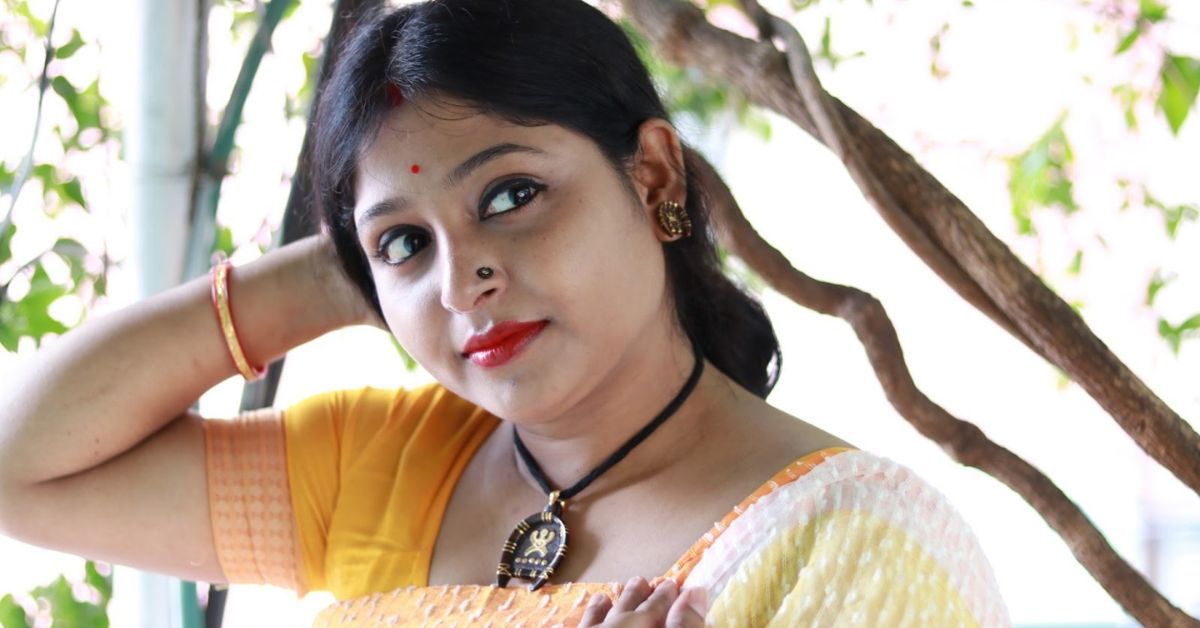
Interestingly, innovative artisans like those at Rathis have reimagined traditional bridal jewellery by combining the sanctity of 22K gold with sustainable materials like coconut shell, creating pieces that honor tradition while embracing contemporary values of environmental consciousness.
Milestones and Ceremonial Adornments
Other significant life events also involve specific jewellery rituals:
- Birth ceremonies: Gold bangles or anklets gifted to newborns for protection and prosperity
- Coming of age: Ear-piercing ceremonies marking childhood transitions
- Religious initiations: Sacred threads and amulets signifying spiritual commitment
- Achievement celebrations: Gold coins or ornaments marking educational or professional success
The Protective and Healing Powers Attributed to Jewellery
Indian culture has long believed in the protective and therapeutic properties of certain metals, gemstones, and ornament placements. This isn’t superstition but rather an intricate system of understanding how materials interact with human energy fields.
Astrological and Ayurvedic Connections
Vedic astrology prescribes wearing specific gemstones to strengthen weak planetary positions in one’s horoscope. These gemstones, when set in particular metals and worn on specific fingers, are believed to channel cosmic energies that can improve health, relationships, career, and overall life circumstances.
Ayurveda, India’s ancient medical system, also recognizes the therapeutic value of wearing certain metals. For instance:
- Silver is cooling and helps balance excess heat in the body
- Gold stimulates vitality and supports cardiovascular health
- Copper aids in joint health and has antimicrobial properties
- Brass helps maintain hormonal balance
Economic Empowerment and Wealth Preservation Through Jewellery
In Indian society, jewellery has historically served as a form of financial security, especially for women. This practical aspect of adornment reflects the culture’s pragmatic wisdom about economic empowerment.
Stridhan: A Woman’s Secure Wealth
The concept of “Stridhan” refers to a woman’s exclusive property, primarily consisting of jewellery gifted during her wedding and throughout her married life. This tradition ensured that women maintained financial independence and security regardless of their circumstances. Even today, gold jewellery serves as:
- Emergency funds: Easily convertible assets during financial crises
- Inheritance: Precious heirlooms passed through generations
- Investment: Gold’s enduring value makes it a stable investment
- Social security: A safety net in uncertain times
This tradition acknowledges women’s need for financial autonomy within the family structure, providing them with tangible assets they control completely.
The Artisan Heritage and Craftsmanship Legacy
The creation of Indian jewellery is itself a sacred practice, with master artisans dedicating their entire lives to perfecting techniques passed down through generations. This commitment to excellence elevates jewellery-making from mere production to an art form worthy of national recognition.
Innovation Within Tradition
As they pay homage to time-honoured methods, master craftsmen today are also blazing new trails. Rathis crafts find that impeccable equilibrium under the artistic direction of double National Award winner Rathindranath Mallick. His pioneering work with mixing coconut shell, which is completely natural, with 22K gold has resulted in remarkably light jewellery that does not compromise on the sanctity of 22K gold while promoting sustainable methods. Awarded by Limca Book of Records and India Book of Records for this unique initiative, Rathindranath Mallick is setting an example of how Indian heritage can adopt progressive methods without compromising on tradition.
Handmade by skilled craftsmen, every piece is lightweight, wearable art that helps preserve the legacy of Indian heritage.
Jewellery in Daily Life and Personal Expression
Beyond ceremonial occasions, daily jewellery wearing in Indian culture serves multiple purposes from simple gold studs worn for their protective properties to elaborate traditional sets that express personal style while honoring heritage.
The Psychology of Adornment
Wearing jewellery in Indian culture is deeply connected to self-perception and confidence. A married woman wearing her mangalsutra and bangles doesn’t just follow tradition—she embodies her role and draws strength from the symbolism these pieces carry. Similarly, wearing family heirlooms creates a tangible connection to ancestors and provides a sense of continuity and belonging.
Modern Interpretation and Contemporary Relevance
Today’s generation faces the beautiful challenge of honoring tradition while expressing individuality. This has led to:
- Minimalist interpretations of traditional designs
- Fusion pieces that blend Indian aesthetics with global styles
- Sustainable jewelry options that maintain cultural significance
- Personalized pieces that tell individual stories while respecting heritage
Artisans like those at Rathis understand this evolving landscape, creating pieces that speak to both tradition and contemporary values, jewelry that a modern woman can wear with pride, knowing it honors her heritage while reflecting her personal ethics around sustainability and artistic excellence.
How Traditional Jewellery Artisans Guide Your Journey
When selecting jewellery that truly honors Indian cultural significance, guidance from authentic artisans becomes invaluable. Master craftsmen who understand the spiritual, cultural, and artistic dimensions of their work can help you choose pieces that resonate with your personal journey while maintaining traditional integrity.
Established ateliers with decades of experience in traditional handcrafted jewellery offer insights that go beyond the commercial. They understand the sacred geometry of designs, the significance of specific patterns, and the proper ways to wear different pieces for maximum spiritual and aesthetic benefit. Their expertise ensures that each acquisition is meaningful, appropriate for its intended purpose, and crafted with the reverence that Indian jewellery traditions deserve.
Such guidance helps navigate choices about:
- Selecting auspicious occasions for acquiring specific jewellery
- Understanding the symbolism behind different designs
- Choosing appropriate pieces for various life stages and ceremonies
- Maintaining and caring for precious heirlooms
- Investing in pieces that will become treasured family legacy items
The Environmental and Ethical Dimensions
With changing mindsets about ethical and sustainable jewellery design and manufacturing, India’s jewellery scene is also undergoing a change. Natural materials have always been favoured and jewellery pieces are often handmade. Creating jewellery with organic material such as coconut shell and precious metals is a modern way to showcase tradition and sustainability.
Preserving Heritage for Future Generations
The importance of wearing jewellery in Indian culture extends into the future through conscious preservation efforts. When we choose to wear traditional jewellery, we’re not just adorning ourselves, we’re:
- Supporting master artisans and their centuries-old techniques
- Keeping cultural stories and symbols alive
- Creating future heirlooms that will connect our descendants to their roots
- Maintaining the economic viability of traditional crafts
- Encouraging innovation within traditional frameworks
Each piece of authentic Indian jewellery purchased and worn becomes a vote for cultural continuity, ensuring that these profound traditions don’t become museum exhibits but remain living, evolving aspects of daily life.
Conclusion
Jewellery in Indian culture is a multidimensional phenomenon that encompasses spirituality, identity, economics, art, and social structure. From the energy alignment of chakra-based placement to the financial security of Stridhan, from the divine symbolism in bridal adornments to the regional pride in local craftsmanship styles, these precious ornaments serve purposes far beyond decoration.
In wearing jewellery according to Indian traditions, we participate in an ancient dialogue between the material and spiritual realms. We honor our ancestors while creating our own stories, we express our identity while connecting to something greater than ourselves, and we wear beauty that carries meaning, intention, and blessing.
As modern life becomes increasingly fast-paced and disconnected from roots, the practice of wearing meaningful jewellery offers an anchor, a way to carry our culture with us wherever we go, a reminder of who we are and from where we came. This is why jewellery remains not just important but essential in Indian culture: it is tradition made tangible, spirituality made wearable, and heritage made beautiful.
Frequently Asked Questions
Is there a spiritual reason behind wearing gold in Indian culture?
Yes, gold holds profound spiritual significance in Indian culture. It is associated with Goddess Lakshmi (prosperity), purity, and divine energy. Gold is believed to attract positive cosmic forces and protect against negative energies. In Vedic traditions, gold is considered sattvic (pure) and is thought to enhance spiritual awareness. Its durability symbolizes eternal values, which is why it's preferred for religious ceremonies and sacred ornaments.
How does regional jewellery differ across India and what does it signify?
India's jewellery styles vary dramatically by region, each reflecting local history, available materials, and cultural values. South Indian temple jewelry features intricate gold work depicting deities, while Rajasthani Kundan showcases royal heritage with elaborate gemstone settings. Bengali jewellery often includes white and red elements representing Goddess Durga, while tribal communities create bold pieces using natural materials that connect them to earth.
Can modern interpretations of traditional jewellery still carry cultural significance?
Absolutely. Modern interpretations that respect the core symbolism and spiritual intent of traditional designs maintain cultural significance while adapting to contemporary lifestyles. Innovative approaches, such as combining traditional 22K gold with sustainable materials or creating minimalist versions of elaborate classical designs, honor heritage while addressing modern values like environmental consciousness and practical wearability.
How should one select jewellery that is appropriate for specific ceremonies and occasions?
Selecting ceremony appropriate jewellery requires understanding the occasion's spiritual and cultural significance. For weddings, traditional sets that include the Solah Shringar elements are essential. For religious ceremonies, simpler gold pieces without excessive ornamentation are often preferred. Coming-of-age ceremonies have specific ornaments associated with them, while festival jewelry can be more elaborate and colorful. Consulting with experienced jewelers who understand traditional protocols, or seeking guidance from family elders familiar with specific community customs, ensures appropriate choices.