Jewellery represents more than just something you wear. It can express who you are, your traditions and heritage, fine craftsmanship and it’s often sentimentally valuable. When purchasing jewellery in today’s markets, buyers are faced with one of the first questions: should you buy handmade jewellery or machine made jewellery? Each comes with their own benefits, style, and purpose.
In this comprehensive guide we will cover the differences between handmade jewellery and machine made jewellery, how they are made, and what works best for each type of buyer. You’ll learn how to spot quality, craftsmanship, pricing and value before you make your next jewellery purchase.
Understanding Handmade Jewellery
Handmade jewellery are made by artisans using manual tools and techniques. Intricate designs are engraved, shaped and polished by hand with minimal use of machines.
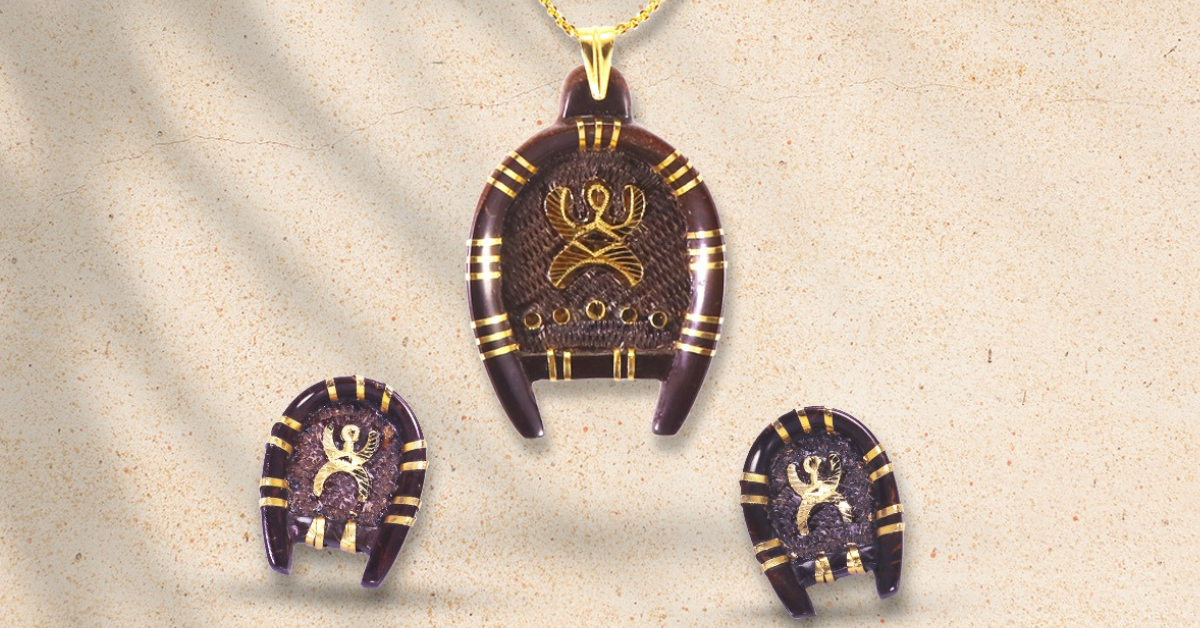
India and globally has a rich tradition of coconut shells handmade gold jewellery which is linked with culture & art. Artists can take hours or days to make a single handmade jewellery piece.
Key Characteristics of Handmade Jewellery
- Each piece is unique and slightly different from others
- Crafted with human skill, experience, and creativity
- Often inspired by culture, nature, and tradition
- Includes fine detailing and intricate designs
- May take longer to produce due to manual work
Handmade jewellery is often associated with authenticity and craftsmanship. It reflects the effort and expertise of the artisan.
Understanding Machine-Made Jewellery
Machine-made jewellery is produced using automated machinery and modern technology. These pieces are created in bulk with precision tools, ensuring uniformity in design and structure.
This type of jewellery is commonly found in commercial markets where large-scale production is required.
Key Characteristics of Machine-Made Jewellery
- Identical designs produced in large quantities
- Faster production time
- Lower manufacturing cost
- Consistent finish and symmetry
- Ideal for mass-market demand
Machine-made jewellery is efficient and accessible, making it a popular choice for everyday wear.
Handmade vs Machine-Made Jewellery: Core Differences
To make an informed decision, it is important to compare both types based on key factors.
1. Craftsmanship and Artistic Value
Handmade jewellery stands out due to the craftsmanship involved. Artisans bring creativity and personal touch into every piece.
Machine-made jewellery focuses more on precision and uniformity rather than artistic expression.
2. Uniqueness
Handmade jewellery is one of a kind. Even if designs are repeated, slight variations make each piece special.
Machine-made jewellery is identical in every unit, which reduces exclusivity.
3. Production Time
Handmade jewellery takes significantly more time to create.
Machine-made jewellery is produced quickly using automated systems.
4. Cost Factor
Handmade jewellery is usually more expensive because of labor, time, and skill involved.
Machine-made jewellery is more affordable due to bulk production.
5. Durability
Both types can be durable depending on material quality. However, handmade jewellery often receives more attention to detail, which may enhance its longevity.
6. Emotional and Cultural Value
Handmade jewellery often carries cultural significance and emotional depth.
Machine-made jewellery is more functional and trend-driven.
Why Handmade Jewellery is Gaining Popularity
In recent years, handmade jewellery online has gained strong demand among buyers who value originality and craftsmanship.
Reasons Behind Its Rising Demand
- Preference for unique and customized designs
- Growing awareness of sustainable and ethical fashion
- Appreciation for traditional craftsmanship
- Desire for meaningful and artistic products
Consumers today are moving towards products that tell a story rather than just serve a purpose.
The Role of Innovation in Handmade Jewellery
Modern artisans are combining traditional methods with innovative materials. One such unique concept is the fusion of natural elements with precious metals.
For example, the integration of coconut shell with 22K gold has created a new category of jewellery that is lightweight, eco-friendly, and visually distinct.
This approach demonstrates how handmade jewellery continues to evolve while preserving tradition.
Types of Handmade Jewellery You Can Explore
Handmade jewellery offers a wide variety of styles and categories.
Popular Categories
- Traditional gold jewellery
- Contemporary designer jewellery
- Ethnic and tribal jewellery
- Eco-friendly jewellery using natural materials
- Fusion jewellery combining modern and traditional elements
Each category reflects a different design philosophy and craftsmanship approach.
Types of Machine-Made Jewellery
Machine-made jewellery is designed to cater to everyday fashion needs and modern trends.
Common Types
- Mass-produced gold jewellery
- Fashion jewellery and imitation pieces
- Lightweight daily wear collections
- Trend-based seasonal designs
These pieces are widely available and easy to purchase.
Advantages of Handmade Jewellery
Handmade jewellery offers several benefits that appeal to discerning buyers.
Key Benefits
- Exclusive designs not easily replicated
- High level of craftsmanship
- Personal connection with the product
- Support for artisans and traditional industries
- Better customization options
Advantages of Machine-Made Jewellery
Machine-made jewellery also has its own set of advantages.
Key Benefits
- Affordable pricing
- Availability in large quantities
- Consistent quality and finish
- Faster delivery
- Suitable for daily use
When Should You Choose Handmade Jewellery?
Handmade jewellery is ideal in specific situations where uniqueness and value matter most.
Ideal Scenarios
- Special occasions such as weddings or anniversaries
- When looking for a statement piece
- If you value craftsmanship and artistry
- When you want a customized design
When Should You Choose Machine-Made Jewellery?
Machine-made jewellery works well for practical and everyday needs.
Ideal Scenarios
- Daily wear jewellery
- Budget-friendly purchases
- Trend-based fashion accessories
- Bulk buying requirements
How to Identify Handmade Jewellery
Many buyers struggle to differentiate between handmade and machine-made jewellery. Here are some practical tips.
Identification Checklist
- Look for slight irregularities in design
- Check for intricate detailing done manually
- Observe finishing marks or hand-tool impressions
- Ask about the crafting process
- Verify artisan or brand authenticity
How to Identify Machine-Made Jewellery
Machine-made jewellery usually has a distinct appearance.
Identification Checklist
- Perfect symmetry and identical pieces
- Smooth and uniform finishing
- Lack of minor variations
- Mass availability in stores
Price Comparison: Handmade vs Machine-Made Jewellery
Pricing is one of the biggest deciding factors.
Handmade jewellery tends to be priced higher due to:
- Skilled labor
- Time investment
- Unique design value
Machine-made jewellery is cost-effective due to:
- Automation
- Bulk production
- Lower labor cost
However, the long-term value of handmade jewellery often outweighs its initial cost.
Sustainability and Ethical Considerations
Sustainability is becoming an important factor in buying decisions.
Handmade jewellery often supports:
- Ethical production practices
- Reduced environmental impact
- Local artisan communities
Machine-made jewellery may involve:
- Industrial production processes
- Higher energy consumption
Choosing handmade jewellery can contribute to a more sustainable lifestyle.
The Growing Demand for Eco-Friendly Jewellery
Consumers are increasingly looking for environmentally responsible options.
Jewellery made from natural materials such as coconut shells combined with precious metals offers a unique balance of sustainability and luxury.
Such designs are lightweight, stylish, and aligned with modern values.
How Rathis Helps You Make the Right Choice
Terms like handmade can get confusing when you start looking for handmade jewellery. You might wonder how jewellery can be called authentic or handmade. Well Rathis can explain. Rathis specialises in authentic traditional and handmade coconut shell 22K gold jewellery. The jewellery is made by craftsmen with more than 20 years of experience in this field. Rathis brings you jewellery made by Rathindranath Mallick- a two time National Award Winning artist who first pioneered this style.
Their approach highlights:
- Use of natural coconut shells combined with 22K gold
- Lightweight yet durable jewellery pieces
- Artistic craftsmanship rooted in tradition
- Recognition from Limca Book of Records and India Book of Records
By studying such craftsmanship, buyers can better understand what defines true handmade jewellery.
Rathis also helps in educating customers about identifying authentic handmade pieces and appreciating the effort behind each design.
Why Craftsmanship Matters in Jewellery Buying
Jewellery is often a long-term investment. Craftsmanship directly impacts its durability, beauty, and value.
Handmade jewellery reflects:
- Attention to detail
- Skilled workmanship
- Creative expression
Machine-made jewellery reflects:
- Efficiency
- Precision
- Consistency
Understanding this difference helps buyers make smarter decisions.
Handmade Jewellery as an Investment
Handmade jewellery often holds better long-term value due to:
- Unique design
- Limited availability
- Cultural significance
It can also become a collectible item over time.
Machine-Made Jewellery in Modern Fashion
Machine-made jewellery plays an important role in fast fashion.
It allows consumers to:
- Follow trends affordably
- Change styles frequently
- Access a wide variety of designs
Common Myths About Handmade Jewellery
Myth 1: Handmade jewellery is always expensive
Not always. Some handmade pieces can be reasonably priced depending on material and design.
Myth 2: Handmade jewellery is less durable
In reality, many handmade pieces are highly durable due to careful crafting.
Myth 3: Machine-made jewellery is always better finished
While machine-made jewellery has uniform finishing, handmade jewellery offers character and detail.
Tips for Buying the Right Jewellery
Before making a purchase, consider the following factors.
Important Buying Tips
- Define your purpose, daily wear or special occasion
- Set a budget
- Check material quality
- Verify authenticity
- Compare craftsmanship
Handmade vs Machine-Made Jewellery: Final Verdict
There is no single correct choice. The decision depends on your needs, preferences, and budget.
Choose handmade jewellery if you value:
- Uniqueness
- Craftsmanship
- Cultural significance
Choose machine-made jewellery if you need:
- Affordability
- Consistency
- Quick availability
Both types have their own place in the jewellery market.
Conclusion
When it comes to jewellery, the argument can be made for both handmade or machine made pieces. Both sides are great; there just needs to be a better understanding of which type is best for you.
Handmade jewellery allows for creative expression, uniqueness, and sentimental value. Machine made jewellery allows for easy access, affordable prices, and mass production.
However, with new consumer knowledge and needs becoming more important. Meaningful and sustainable products are on the rise. Researching one of the many brands out there like Rathis can show you the extent of handcrafted jewellery. Discovering how natural materials are used to create innovative jewellery made with 22K Gold will have you buying only handmade jewellery.
Armed with the right knowledge, you can now confidently purchase jewellery that best suits your needs.
Frequently Asked Questions
Is handmade jewellery more durable?
Durability depends on material and craftsmanship. Many handmade pieces are highly durable due to detailed attention during creation.
Why is handmade jewellery expensive?
It involves skilled labor, time, and artistic effort, which increases its value.
Can machine-made jewellery look premium?
Yes, machine-made jewellery can have a polished and high-end finish, especially in modern designs.
How can I identify real handmade jewellery?
Look for slight irregularities, detailed craftsmanship, and ask about the production process. Authentic handmade jewellery often reflects human touch and uniqueness.